Should You Be Worried if Your AC heat Smells like Burning?
Updated: Sep 1, 2025

How to Detect Electrical Faults
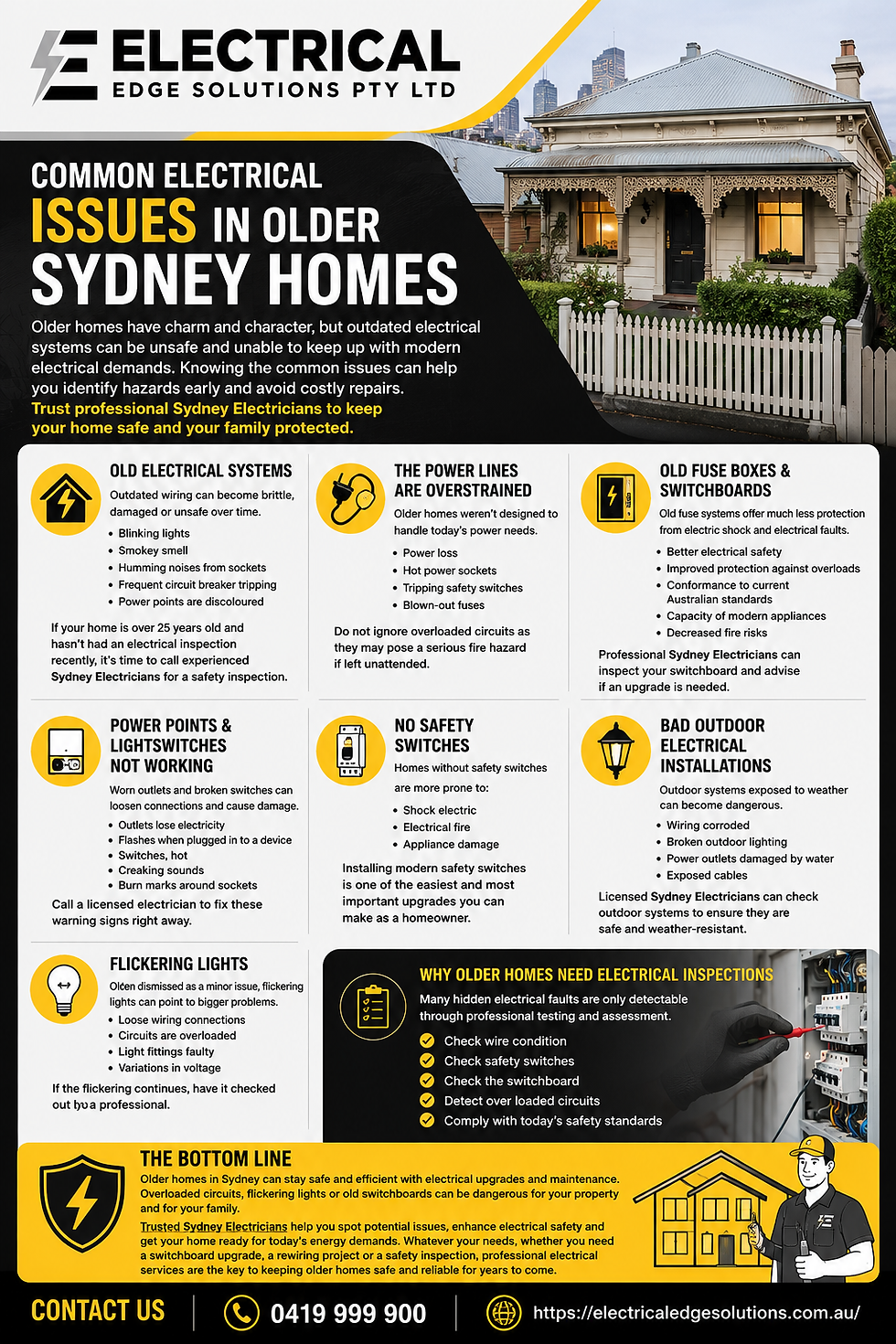
Detecting electrical faults early is crucial to avoid safety risks and expenses. Frequent circuit breaker tripping, flickering lights, buzzing noises from outlets, or burning odors near wiring are all usual warning signs. Discoloured or warm power points are also indicative of lurking problems. Equipment that continuously malfunctions when plugged in can be indicative of faulty circuits.
Signs of Faulty Wiring
Defective wiring is among the most prevalent sources of electrical danger in residential areas and commercial establishments. Warning signs could be flickering lights, regular tripping of circuit breakers, smells of burning, humming noises around outlets, or colored switch plates.
Electrical Shocks
Receiving electrical shocks, no matter how slight, must never be disregarded. They are normally signs of faulty wiring, defective appliances, or incorrect grounding in your electrical system. Shocks can happen when connecting or disconnecting devices, when handling damaged cords, or while working with outlets that have internal malfunctions. Although minor shocks might seem harmless, they are usually precursors to electrical issues. Repeated exposure can be hazardous and even fatal.
Power Lines Downed
Wiring that is on the ground is extremely dangerous and must be addressed as life-threatening emergencies. Storms, accidents, or broken poles can cause fallen wiring to still conduct live electricity. Direct contact with them—or even indirect contact through water, trees, or metal—can cause serious harm or electrocution.
What To Do During Electrical Emergencies
Electrical emergencies do pose risks, so it is crucial to act fast and safely. In case you notice sparks, smoke, or naked wires, shut off the power supply at the main immediately to avoid any further danger. Do not touch electrical appliances with damp hands and keep others, particularly children, away from you. In the event of a fire, never use water—use an electrical fire extinguisher. If a person gets electric shock, do not touch him/her directly; rather, switch off the power first and then call emergency lines
Electrical accidents can be dangerous, and therefore reacting properly and coolly is crucial. If you point out sights of sparks, smoke, or naked wires, please switch off the main power supply and evacuate the place. Never try to extinguish an electrical fire by using water—instead, use a Class C or multipurpose fire extinguisher. When a person has been electrocuted, do not touch them directly while they are still connected to electricity. First, turn off the source of power or use an insulator such as wood or plastic to isolate them from each other. Test whether pulse is running or not. Dial emergency numbers and, if needed, administer CPR until medical assistance is available.
Power Outages
Power outages can occur due to storms, faulty wiring, or grid failures, leaving homes and businesses without electricity. During an outage, first check if it’s limited to your property or affecting the neighborhood. Switch off major appliances to prevent damage when power is restored, and keep flashlights or backup lighting handy. Do not open freezer on regular interval to keep your food fresh.
Electrical Fires
Electrical smoke are caused by loaded circuits or damaged wiring. Signs may include burning smells, sparks, or discoloured outlets. If a fire occurs, never use water to extinguish it—use a fire extinguisher designed for electrical hazards. Disconnect the main power supply and then call an emergency electrician in Parramatta immediately.
Preventing Electrical Emergencies
Electric emergencies can be prevented with routine maintenance and safe usage. Begin by booking periodic checks by a licensed electrician to identify concealed faults at an early stage. Don't overload power points, and always use appliances according to the manufacturer's instructions. Change frayed cords, faulty outlets, or dimmer switches in time to avoid the risk of fire. Fixing surge protectors and safety switches provides an additional safety measure against unforeseen faults.
Safe Appliance Use
Always use appliances as instructed by the manufacturer to prevent hazards. Prevent overloading outlets, inspect cords for damage, and unplug devices when not in use.
Know your Electrical Panel
Knowing how it operates prepares you to deal with circuit breakers and react in case of outages or overloads. Marking circuits and being aware of the primary switch location prepares you to quickly act in emergencies and ensure electrical safety in the home.
Regular Inspections
Regular checkups not only safeguard your property against fire hazards but also confirm adherence to electrical safety regulations.
Following an Emergency
After an electrical emergency has been brought under management, it's advisable to prioritize safety prior to resuming normal utilization. Refrain from reconnecting power or using faulty appliances until the system has been inspected by a licensed electrician. Photograph or document any visible harm for insurance claims and maintain a record of events. Replace or repair wiring, outlets, or devices that were found as the source of the problem.
Professional Check:
After every electrical problem, always have a professional inspection by a licensed electrician. They can check wiring, outlets, and circuits to make sure they are safe, up to code, and functioning properly. Routine expert inspections prevent future risks and expensive repair work.
Review and Teach:
Spend some time going over what occurred during the crisis and provide safety lessons to your family or crew. Educating everyone how to react calmly, turn off power, and call for assistance creates readiness. Training and awareness decrease hazards and enhance future safety.


Comments